We also have a website that contains further information about the group, projects and published papers.


Right now you are surfing a limited version of umu.se. What does this mean?
Research group Our group specialises in developing mechanistic models that integrate datasets to offer deeper insights into biological processes.
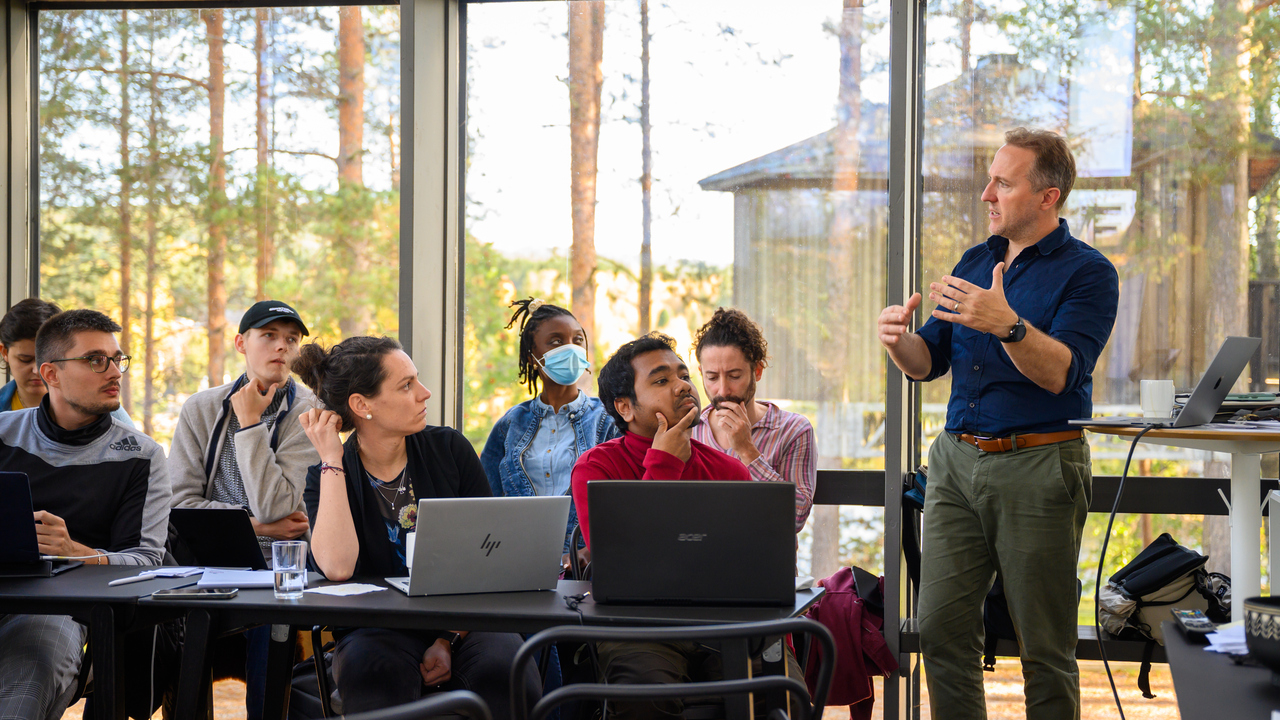
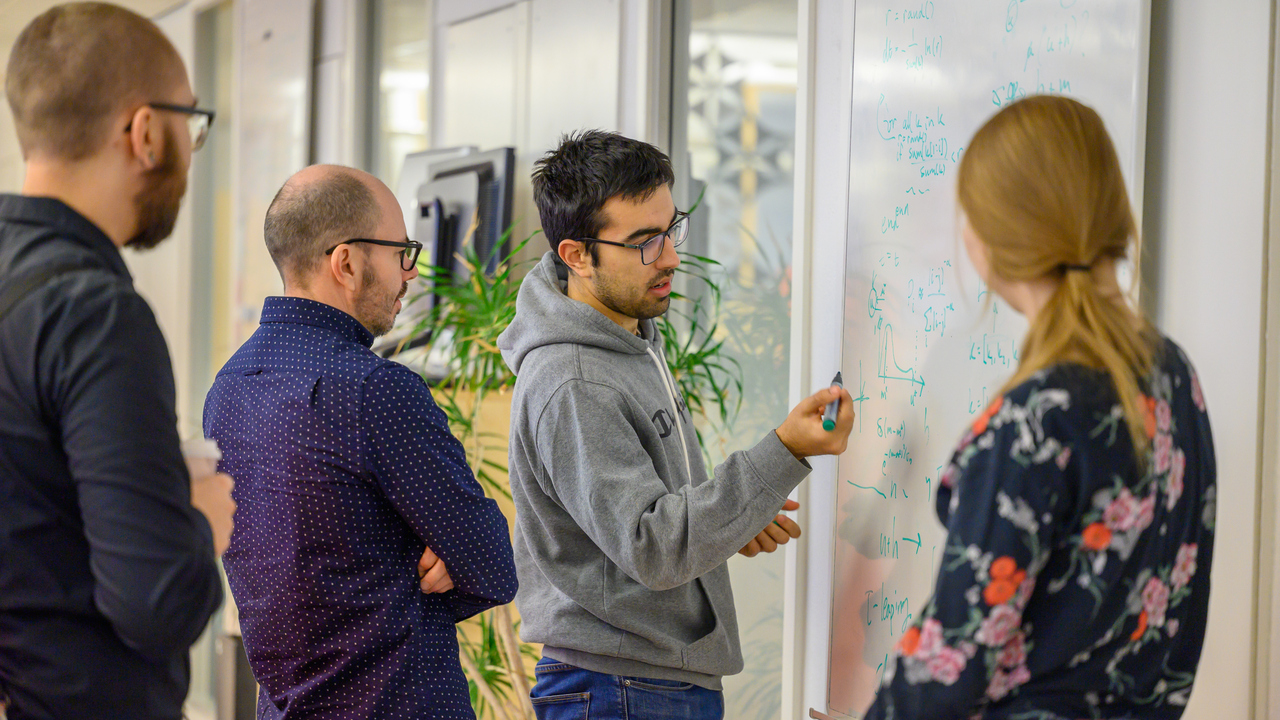
IceLab launches the Stress Response Modeling Graduate Research School with five PhD positions now available.
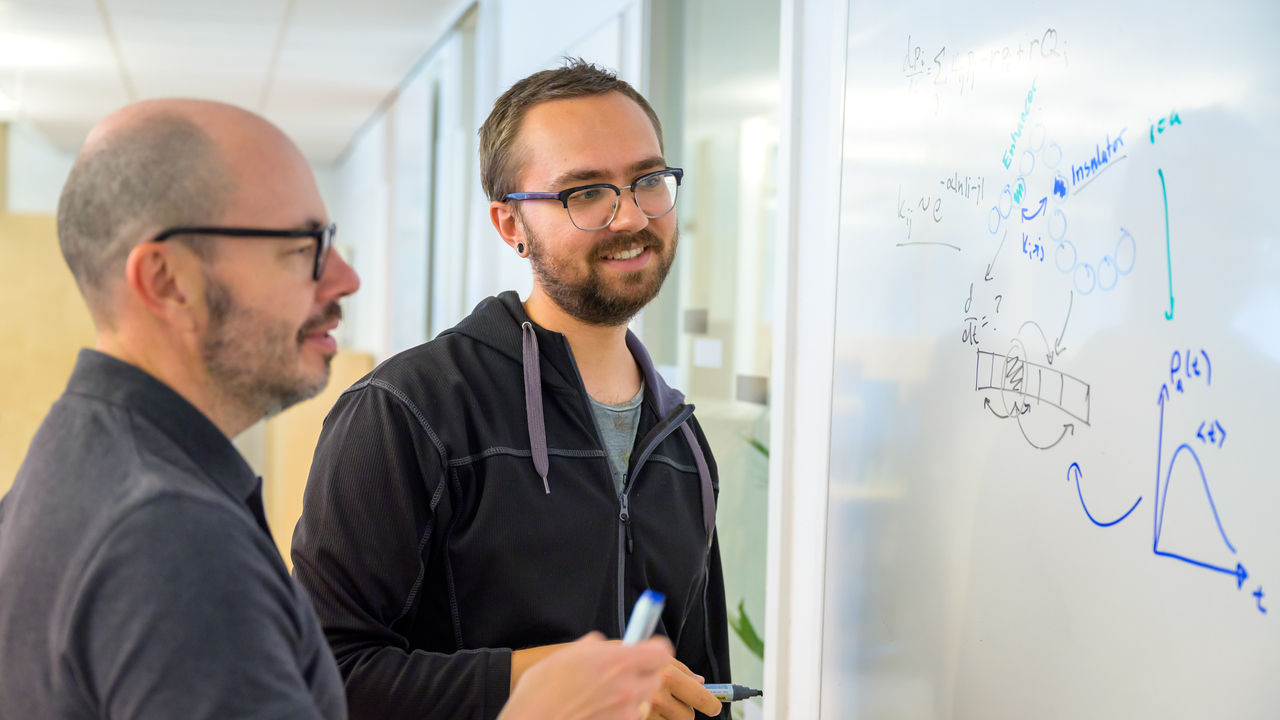
Novel mechanism in gene regulation uncovered in study exploring the 3-dimensional dynamics of gene elements.
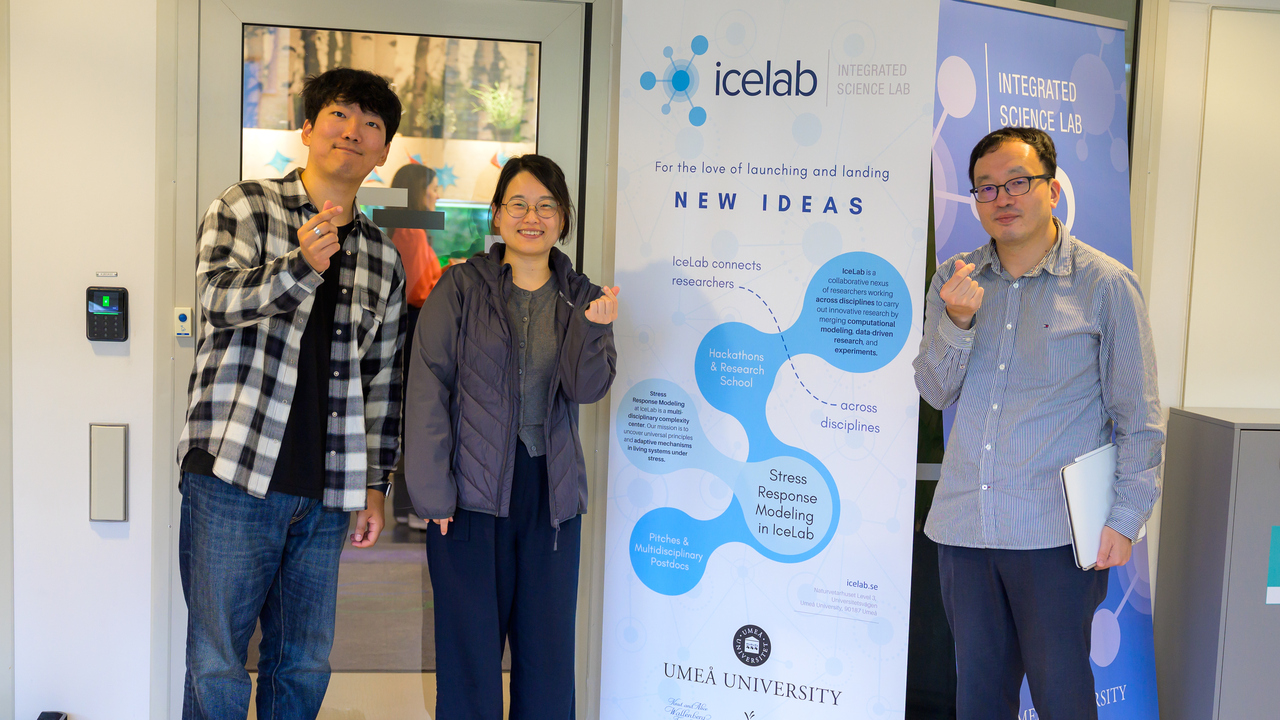
South Korean researchers visited IceLab as part of STINT research exchange in modeling ecology and evolution.
Our research group focuses on creating mechanistic models that integrate diverse datasets to better understand biological systems. These models go beyond traditional statistical or machine-learning methods by identifying cause-and-effect relationships in biological processes. By combining data from various sources, such as genomics and proteomics, we aim to provide more reliable predictions about how biological systems function, offering a clearer picture of the underlying mechanisms at work.
We also have a website that contains further information about the group, projects and published papers.
We collaborate with experimental scientists to tackle a wide variety of biological challenges. These include studying biological networks, which examine the interactions between different cellular components, and gene regulation, which focuses on gene activity in various conditions. We also investigate epigenetics, the study of how gene expression is influenced by factors other than changes to the DNA sequence. Our research extends into understanding the biology of ageing, solving intermittent search problems, and examining polymer physics, particularly how DNA folds within the nucleus.
Our work extends beyond biology into interdisciplinary projects with earth scientists. One notable collaboration involves using network models to calculate CO2 emissions in the Arctic. By applying our expertise in modelling complex systems to environmental challenges, we contribute to a better understanding of global climate change. These efforts highlight the versatility of our approach, bridging the gap between biology and environmental science to address some of the most pressing issues facing both fields.


A multidisciplinary complexity center that aims to unveil universal principles and adaptive mechanisms in living systems under stress.
We use mathematical and physical models to understand how the structure of DNA affects biological processes.

Unlike chronological age, the pace of our biological age is constantly changing. We want to develop a mathematical model to increase this understanding and make the clock a forward-looking age indicator.


