

Right now you are surfing a limited version of umu.se. What does this mean?
Environmental chemistry studies the sources and emission processes of anthropogenic substances, their distribution in the environment and society, conversion reactions, purification techniques and connections to effects (on both the environment and human beings). The field covers both applied issues and basic science, including method development in the lab and in the field. Environmental chemistry has strong links to, e.g., biology, geology, medicine and the engineering sciences.
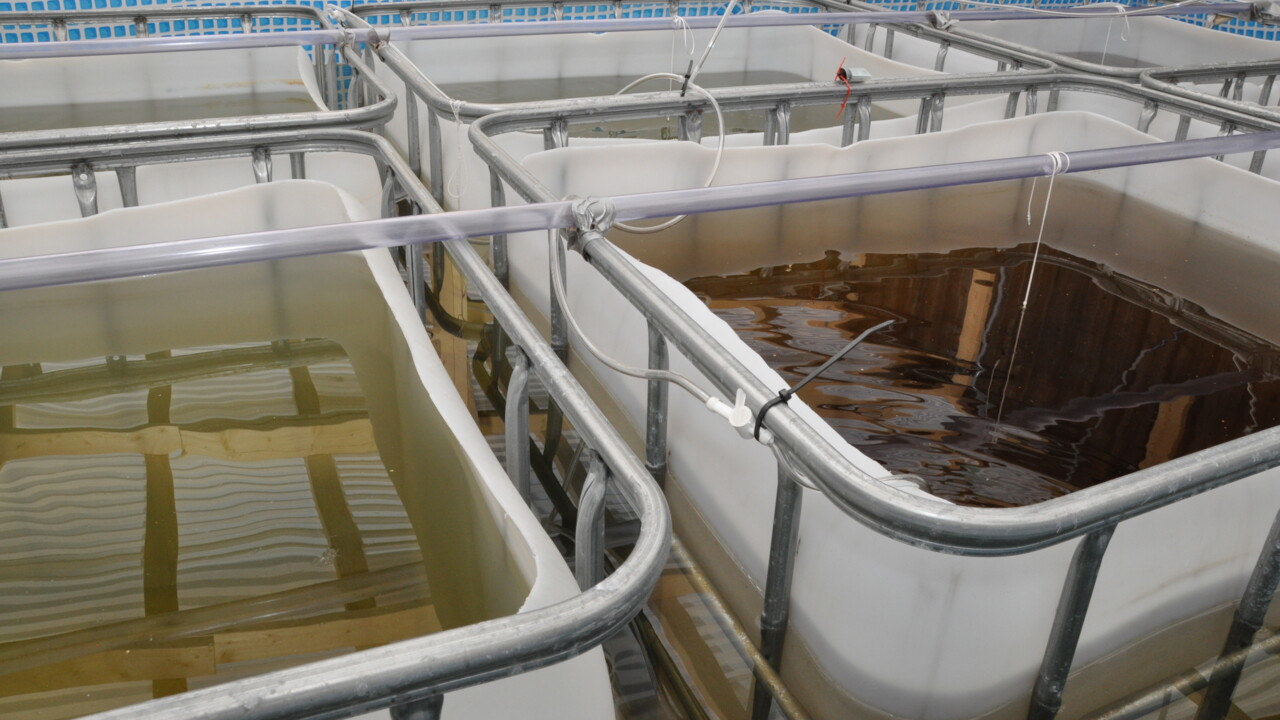
Bacteria community composition gives important information on disturbances to marine environment.

The scientists take viewers on a journey below Rosfjordsvatnet's icecovered surface.
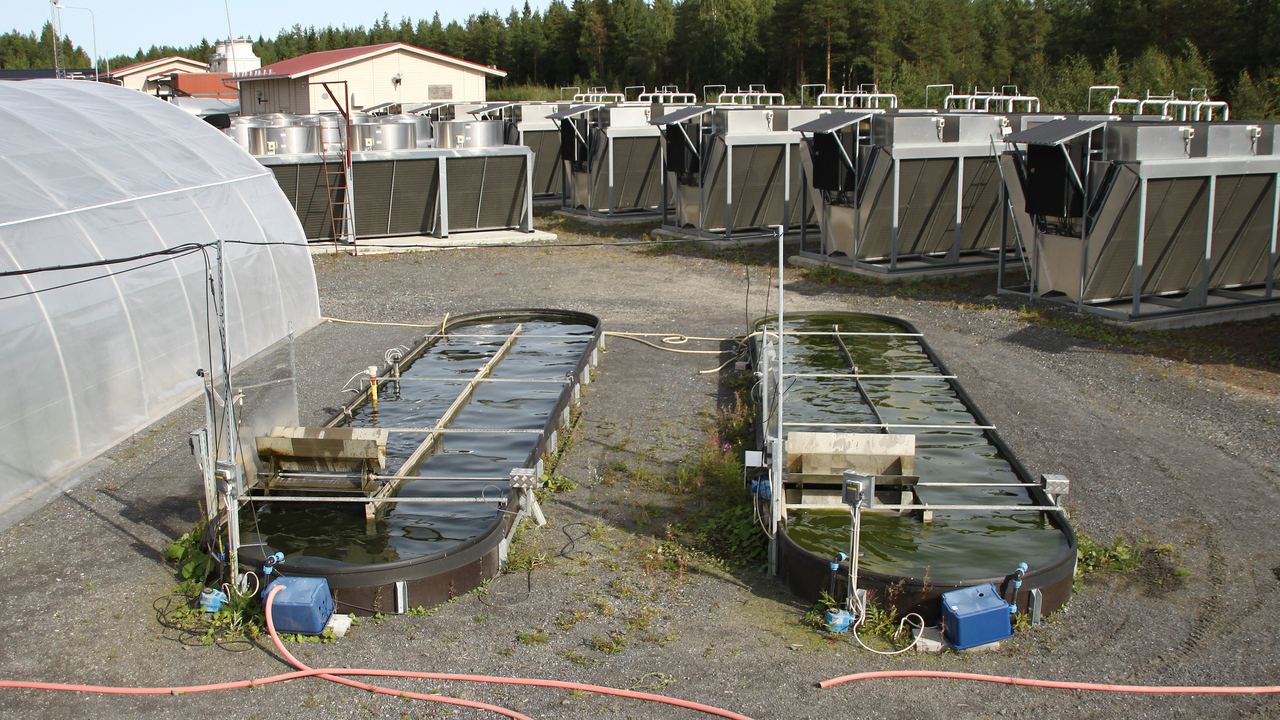
Biomass from algae is converted into plastic used in lamps and packaging.

Common PFAS substances are difficult to capture once they have entered the environment, new thesis shows.

The Industrial Doctoral School projects provide important knowledge for the future.

Andriy Rebryk has developed a method for non-target screening for potentially harmful substances.
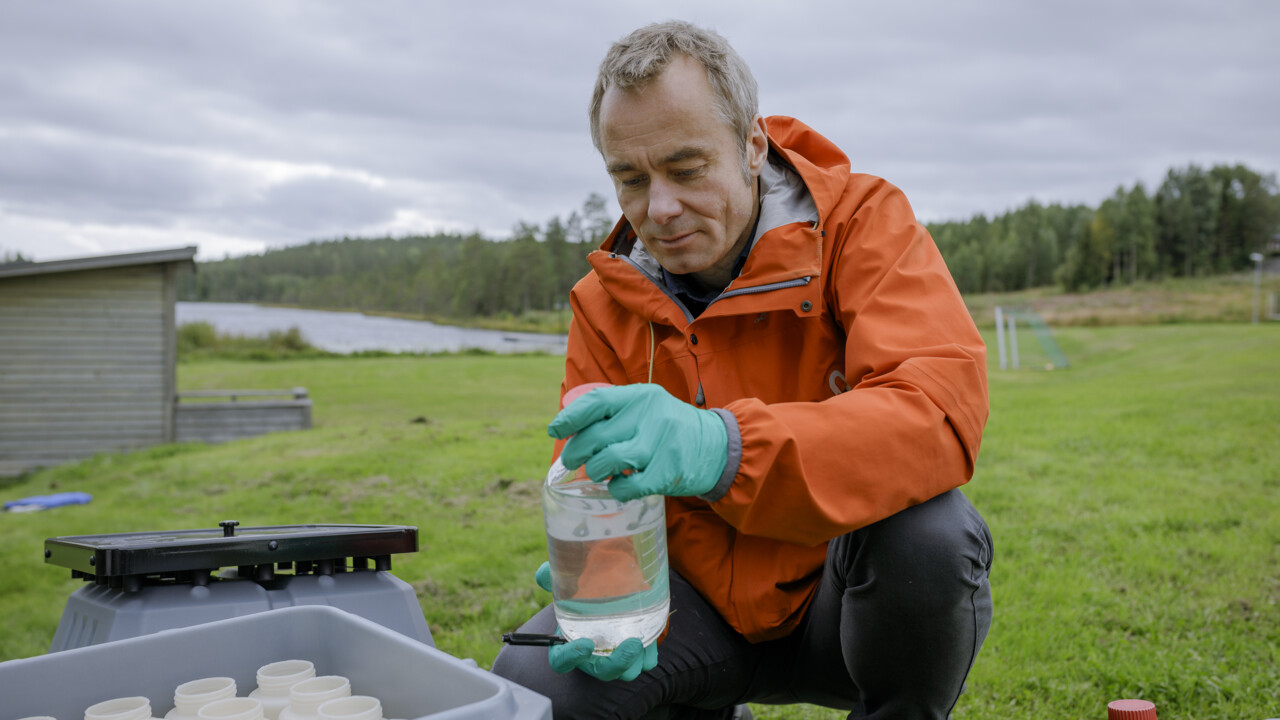
PARC is a new chemistry research project funded by the EU, with over 200 partners from 28 countries.
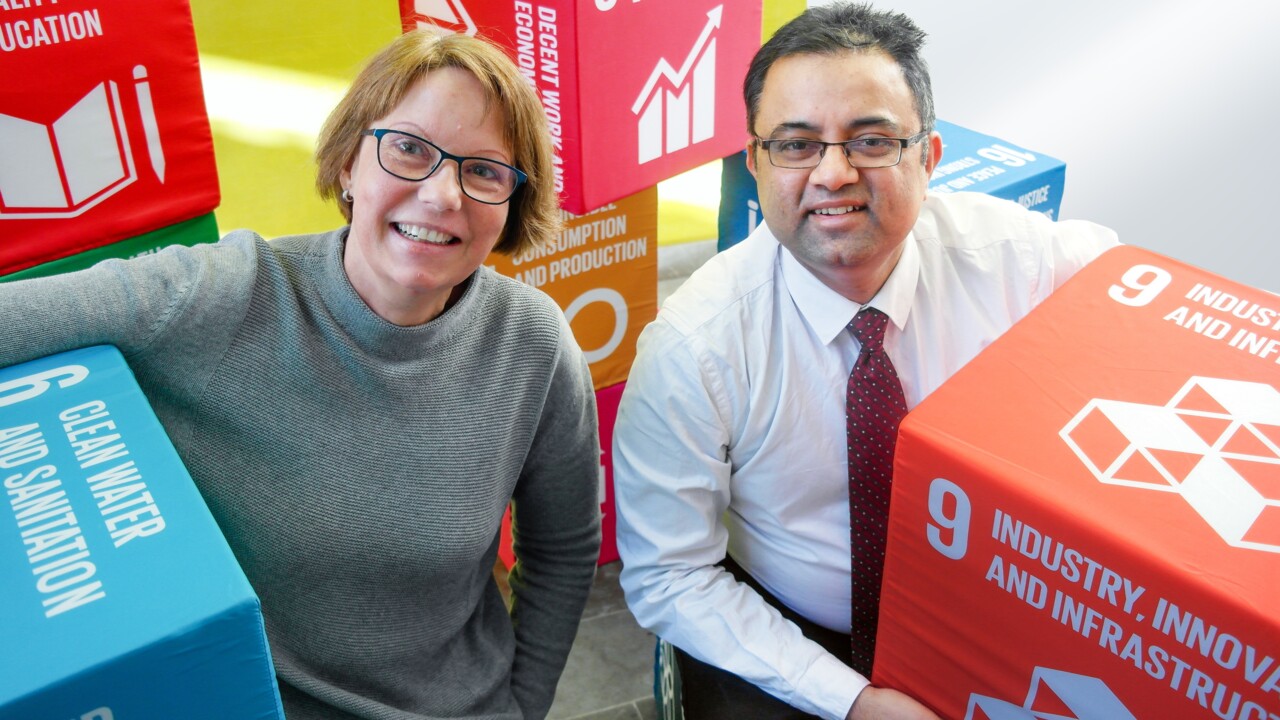
Christiane Funk and Venkata Krishna Kumar Upadhyayula are on IVA's list over sustainable research.
Researchers have been awarded SEK 4 million to test a new method for cleaning contaminated sediments.

Mirva shows that the capacity of the tested carbon materials to separate organic water pollution was low.

Annelie Lagesson shows that small bottom-dwelling organisms are the largest recipients of drug residues.
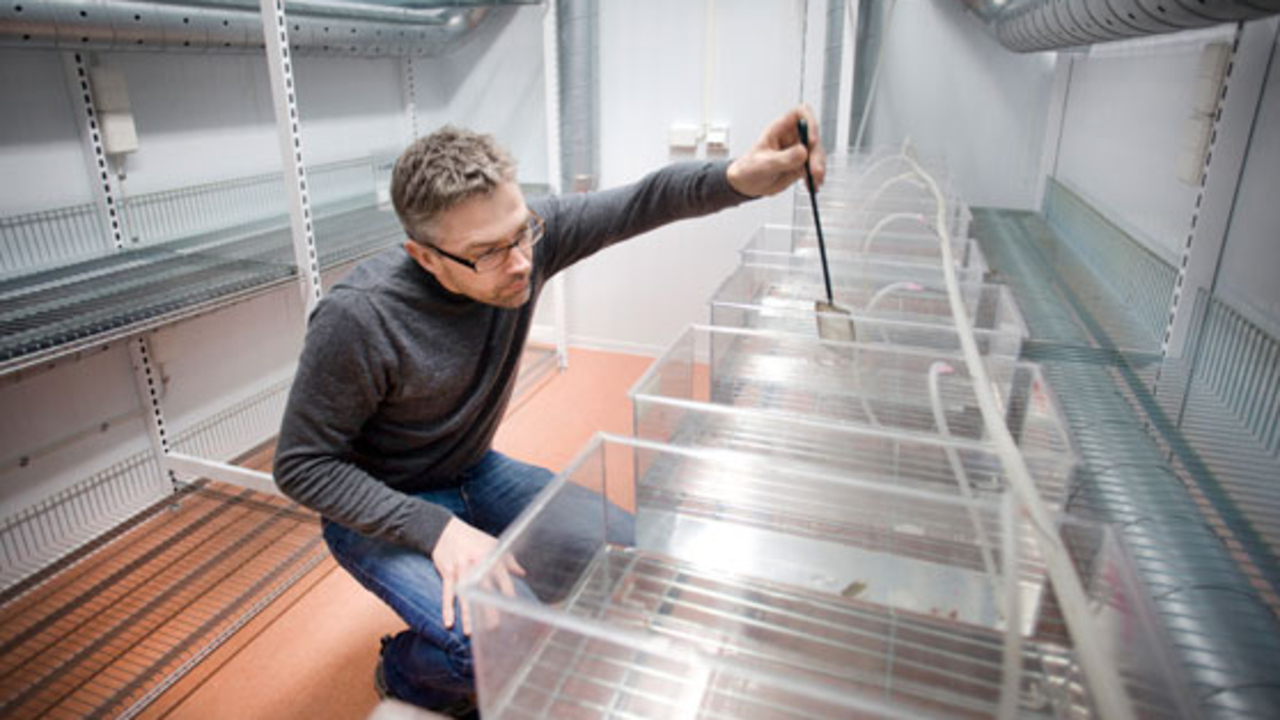
Anxiety-moderating drugs create fearless and asocial fish that eat more quickly than normal.