Master's Programme in Environmental Science and Sustainability 120 credits
About the programme
The Master's Programme in Environmental Science and Sustainability aims to develop your competence in working with environmental issues. You will study environmental issues from a scientific perspective - analysing causes, relationships and possible solutions to environmental problems. Sustainable development is a core theme within the programme, which will help you prepare for your future career, whether you aim to work at a government agency or in the private sector.
Multidisciplinary programme
Focus on global challenges
Wide range of courses
While studying
A sustainability-focused Master’s programme
The Master's Programme in Environmental Science and Sustainability is a multi-disciplinary programme that aims to develop your competence in working with global environmental issues. You will study these environmental issues with a holistic perspective – analysing the environmental, societal and political causes, relationships and possible solutions.
As the world faces growing environmental concerns such as climate change, biodiversity loss, and pollution, there is an increasing demand for experts with an environmental science education who can analyze complex issues and develop effective solutions. Sustainable development is a core theme throughout the programme, which will help you prepare for your future career, which could be with a government agency, in the private sector, policymaking, or in future research.
Focus on global challenges
The programme addresses some of our most pressing global challenges. Transitioning to a sustainable society requires cooperation between academia, policymakers, and the private sector. This transformation is highly complex and demands a multidisciplinary approach, which is a core aspect of this programme.
Right from the start, you will take an introductory course focused on the transition towards sustainability. This course employs a challenge-driven pedagogy, where you will work on real-world sustainability challenges in collaboration with external partners. Through project-based learning, you will gain practical experience in analyzing environmental problems and proposing innovative solutions. This is followed by a course dedicated to Sustainability Science, which provides you with the theoretical knowledge to underpin our transition towards sustainability.
Environmental Science education with specialization options
Beyond the core sustainability-focused courses, you can choose from a wide range of specialized courses in environmental science, allowing you to develop expertise in areas that align with your interests and career aspirations. For students interested in broadening their knowledge, the programme offers the opportunity to take up to 45 higher education credits in other disciplines, providing a sustainability master's with an interdisciplinary edge.
Some of the specialization areas include:
Biology: Courses in ecosystem management and Global change science
Earth Sciences: Studies in Soil and Water, Geographic information systems (GIS), and Limnology
The teaching methods include lectures, seminars, group exercises, laboratory work, and field studies, ensuring a well-rounded education. In the final stage of the programme, you will complete a Master’s thesis of either 30 or 60 credits, allowing you to explore a topic within Environmental Science and/or Sustainability Science in depth. All courses at the advanced level are taught in English, making this programme accessible to international students and preparing graduates for the global job market.
Read article: Environmental science students' ideas for a sustainable campus
Scholarships to apply for
Citizens of countries outside of the EU, EEA and Switzerland normally have to pay application and tuition fees for education at Swedish universities. However, there are several scholarships you can apply for to cover these costs, for example from the Swedish Institute:
Read more about SI Scholarship for Global Professionals
Read more about scholarships in general /LÄNK/
Think Globally, Solve Problems Locally
A key aspect of this programme is its focus on problem-solving. You will work on analyzing environmental risks, assessing the consequences of climate change, and developing strategies for a more sustainable future.
Your final degree project will be an opportunity to deepen your knowledge in a specific area, whether in climate adaptation, environmental policy, or sustainable resource management. This practical, hands-on experience will help you develop the expertise required to excel in your future career.
Courses within the programme
Year 1
Transition towards a sustainable society, 15 ECTS
Sustainability Science, 15 ECTS
Analysis of environmental changes, with a focus on biogeochemistry or long-term environmental problems, 15 ECTS
Elective courses, 30 ECTS.
Examples of elective courses: Theoretical environmental science, 15 ECTS
Year 2
- Elective courses, 30 ECTS.
Examples of elective courses:
Limnology, 15 ECTS
Global Change Science, 15 ECTS
Geographical information system, 15 ECTS
Theoretical environmental science, 15 ECTS
Master's Degree thesis, 30 ECTS
Alternatively:
- Master's Degree thesis, 60 ECTS
Future and career opportunities
A Master’s in Environmental Science and Sustainability opens doors to a wide range of careers in sustainable development, research, and environmental management. Graduates from this programme are highly sought after for roles that involve planning, coordination, investigation, and supervision of environmental initiatives.
This programme equips you with the knowledge and practical skills to stand out in the job market, whether you aspire to work on local environmental projects or contribute to global sustainability efforts. You can pursue environmental and sustainability jobs in both the public and private sectors, including government agencies, Non-Governmental Organization (NGOs), environmental consulting firms, and multinational corporations.
Examples of environmental science/sustainability jobs
- Environmental Coordinator – Manage environmental initiatives within organizations
- Sustainability Coach – Guide businesses and communities towards sustainable practices
- Environmental Strategist – Develop long-term sustainability strategies
- Environment Engineer – Ensure workplace environmental compliance
- Environmental Consultant – Provide expert advice on environmental policies and regulations
- Environmental Manager – Oversee sustainability efforts within companies
- Environmental Management Officer – Implement and monitor environmental programs
- Researcher in Environmental Science
Apply
-
Autumn 2026
-
Master's Programme in Environmental Science and Sustainability
International admissions round
HT26 / Umeå / English / On site
Show more Show less
StartAutumn term 2026
Number of credits120 credits
Type of studiesOn site
Study pace100%
Length2 years
Study locationUmeå
LanguageEnglish
Application codeUMU-M5070
EligibilityA Bachelor's degree or equivalent first-cycle qualification comprising of at least 180 ECTS or a corresponding qualification from an internationally recognised university. Specific entry requirements are at least 90 ECTS which include a thesis of at least 15 ECTS in environmental science, environmental health, earth sciences/physical geography, biology or sustainability science. Proficiency in English equivalent to Swedish upper secondary course English 6/level 2.
SelectionAcademic credits completed by the last application date (in the range of 30-285 credits equivalent to ECTS)
DegreeAfter completing the study programme, a student who has applied for a degree can obtain a Degree of Master of Science (120 credits) in accordance with the local qualification descriptor established by the Vice-Chancellor (see Umeå University's website). In Swedish, Degree of Master of Science (120 credits) is called Naturvetenskaplig masterexamen. Degree is awarded in the main field of study (Environmental Science).
ApplicationOnline applications are now open. Application deadline is 15 January 2026.
Application and tuition feesAs a citizen of a country outside the European Union (EU), the European Economic Area (EEA) or Switzerland, you are required to pay application and tuition fees for studies at Umeå University.
Application fee: SEK 900
Tuition fee, first instalment: SEK 76,150
Total fee: SEK 304,600
-
Master's Programme in Environmental Science and Sustainability
Second admissions round for EU/EEA citizens
HT26 / Umeå / English / On site
Application opens 16 March 2026Show more Show less
StartAutumn term 2026
Number of credits120 credits
Type of studiesOn site
Study pace100%
Length2 years
Study locationUmeå
LanguageEnglish
Application codeUMU-P5070
EligibilityA Bachelor's degree or equivalent first-cycle qualification comprising of at least 180 ECTS or a corresponding qualification from an internationally recognised university. Specific entry requirements are at least 90 ECTS which include a thesis of at least 15 ECTS in environmental science, environmental health, earth sciences/physical geography, biology or sustainability science. Proficiency in English equivalent to Swedish upper secondary course English 6/level 2.
SelectionAcademic credits completed by the last application date (in the range of 30-285 credits equivalent to ECTS)
DegreeAfter completing the study programme, a student who has applied for a degree can obtain a Degree of Master of Science (120 credits) in accordance with the local qualification descriptor established by the Vice-Chancellor (see Umeå University's website). In Swedish, Degree of Master of Science (120 credits) is called Naturvetenskaplig masterexamen. Degree is awarded in the main field of study (Environmental Science).
ApplicationThe online application opens 16 March 2026 at 09:00 CET. Application deadline is 15 April 2026. Please note: This second application round is intended only for EU/EEA/Swiss citizens.
Application and tuition feesAs a citizen of a country outside the European Union (EU), the European Economic Area (EEA) or Switzerland, you are required to pay application and tuition fees for studies at Umeå University.
Application fee: SEK 900
Tuition fee, first instalment: SEK 76,150
Total fee: SEK 304,600
-
How to apply
Apply online via universityadmissions.se
You apply to our programmes and courses via universityadmissions.se – the official website for higher education applications in Sweden. There, you can track your application, check that your documents have been registered, and log in to find our your admission results.
Late applications
Admissions to most programmes and courses typically close after the final application deadline. However, some programmes and courses may still accept late applications if seats are available. These are marked “Open for late application” on universityadmissions.se. Please note that late applications are not guaranteed to be reviewed.
More about application and admission
Film about the programme
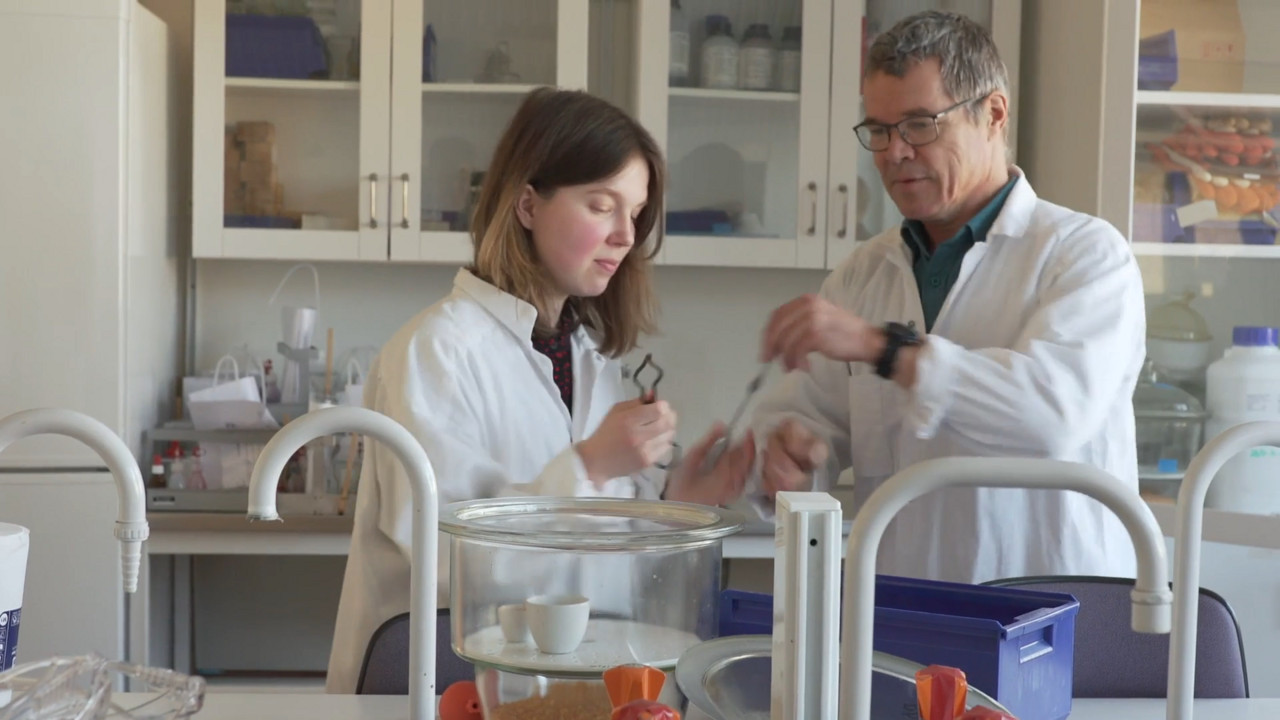
Sustainable development is a core theme in the Master's programme in Environmental Science and Sustainability.
Voices about the programme
-
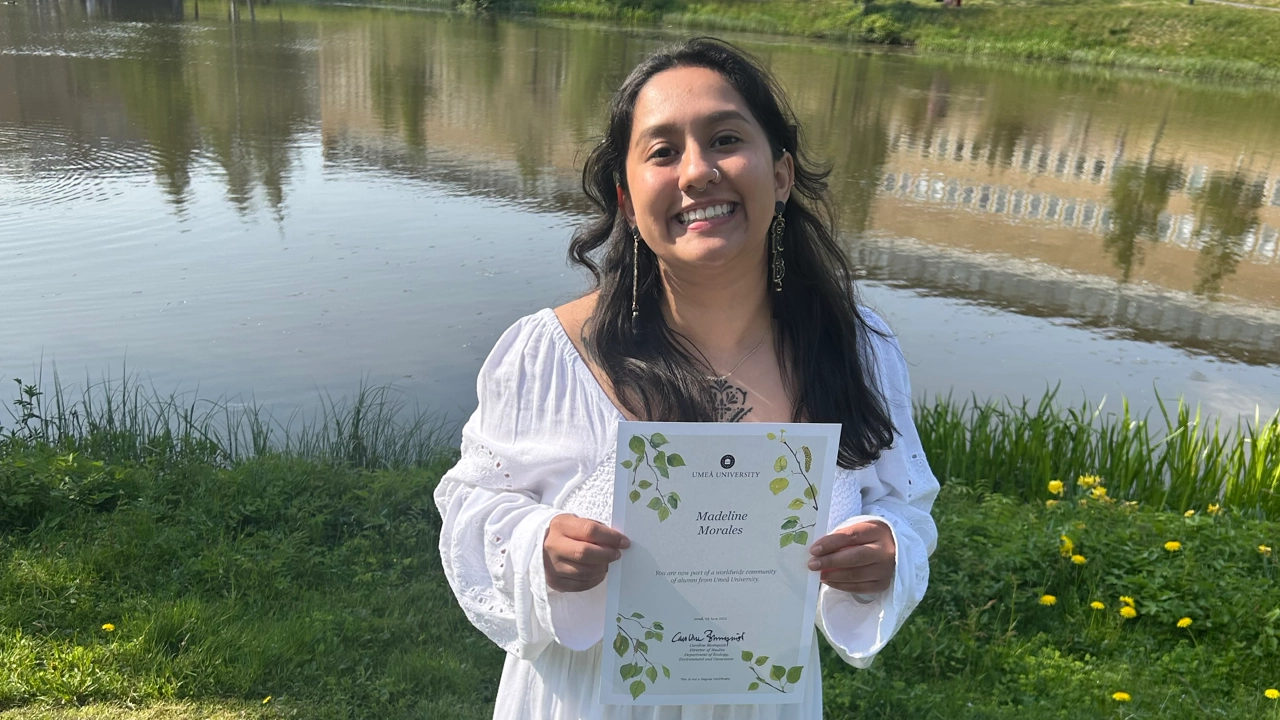
"Umeå was the perfect environment to study sustainability"
Alumni
Madeline Morales, Fulbright scholar from USA, was inspired to study environmental science in Sweden because of her passion for sustainability.
-
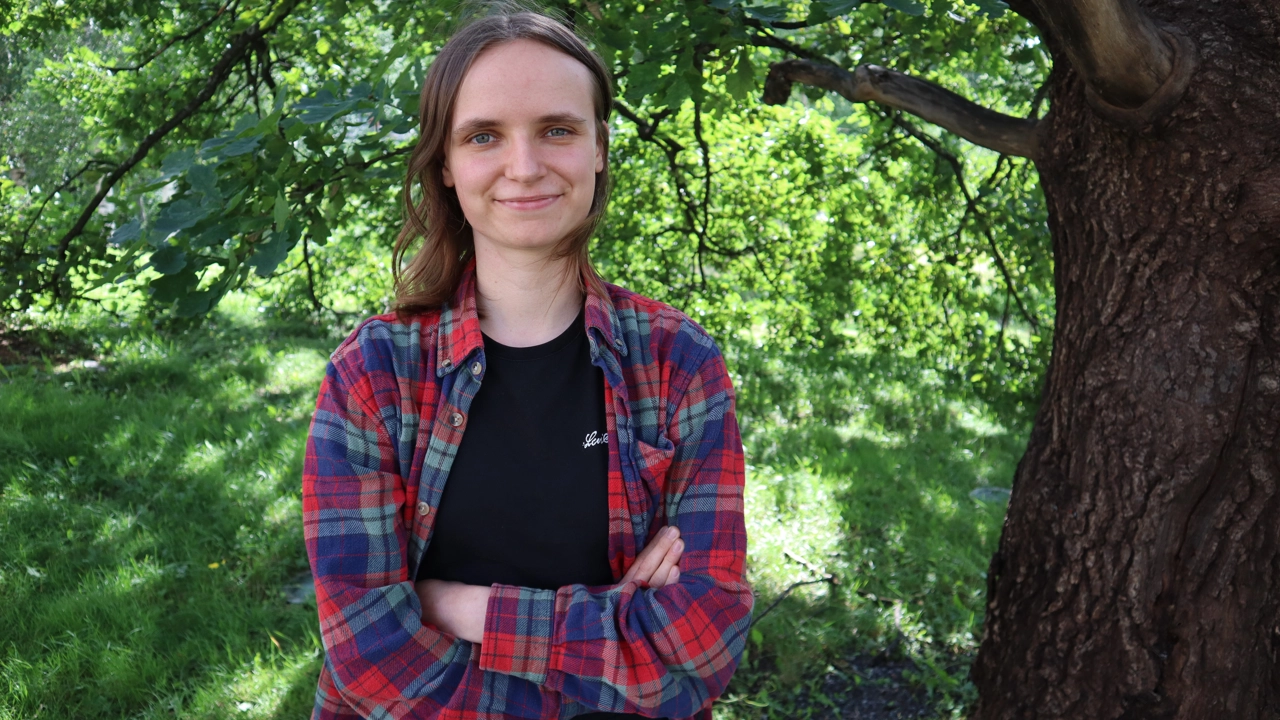
Katharina liked the mix of teaching methods
Alumni
Katharina Schmid appreciated the programme for the familial atmosphere and mix between lectures, seminars, projects and fieldwork.
-

The programme gave broadened perspectives and personal development
Alumni
Konstantin Schäfer had thought of becoming a forester, environmental science would give him a broader perspective and variety of job possibilities.
Frequently asked questions
Is environmental science a good major?
Yes! Environmental science is a rapidly growing field with diverse career opportunities, particularly when you have the skills to integrate this into sustainable development. As sustainability becomes a top priority for businesses and governments, professionals with expertise in environmental science education and sustainability strategies are in high demand. Graduates of this programme have excellent job prospects, both nationally and internationally.
What distinguishes this Master's programme in Environmental Science from others?
This programme offers a unique combination of theoretical and practical knowledge through student-led discussions, field studies, and a strong research connection. The programme also has a clear focus on sustainability, making it highly relevant to the growing demand for environmental experts.
What are the job opportunities in environmental science?
With a Master’s in Environmental Science and Sustainability you can work in a variety of sectors, including environmental consulting, governmental agencies, research institutions, and private industry. Common environmental science/sustainability job opportunities include roles in environmental policy, sustainability strategy, and ecological conservation. The increasing focus on sustainability within society means that demand for professionals in this field continues to grow.
Research excellence at Umeå University
Be a part of a world-class environment for teaching and research – where the Nobel Prize-winning discovery of CRISPR-Cas9 geneediting began, and where innovation continues to shape the future.
-
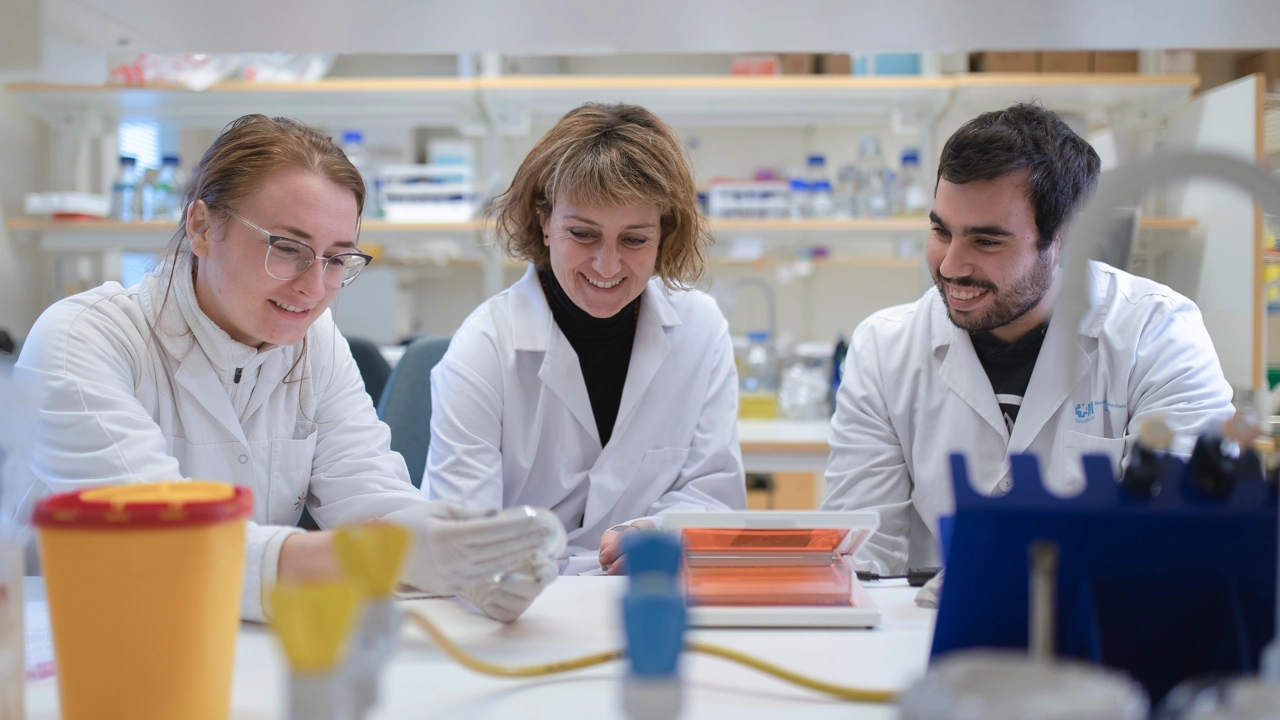
Innovative with international impact
Research for society, nature and the future. Read about our research research environments and infrastructure.
-
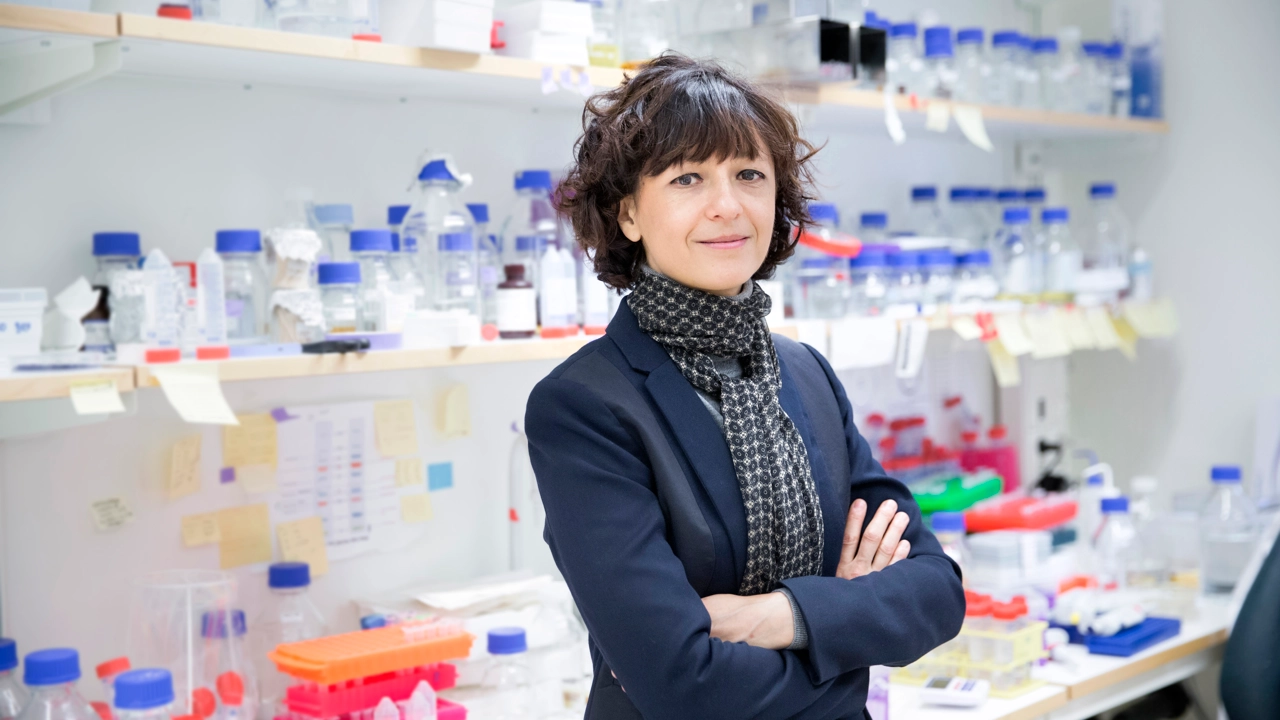
Open climate for groundbreaking research
Emmanuelle Charpentier credits the research environment in Umeå as a key factor in her discovery.
Programme coordinator

Programme is given by
Department of Ecology, Environment and GeoscienceSimilar programmes
Good to know

How to apply
A step-by-step guide to apply for studies at Umeå University.

Chat with our students
Are you wondering what it's really like to study at Umeå University?

Experience Umeå
Northern Sweden’s largest city – diverse, dynamic, and student-friendly.